Find us at:

Megdale, Westerkirk, Langholm,
Dumfriesshire,
Scotland,
DG13 0NN


The History of Thomas Telford 1757 – 1834 

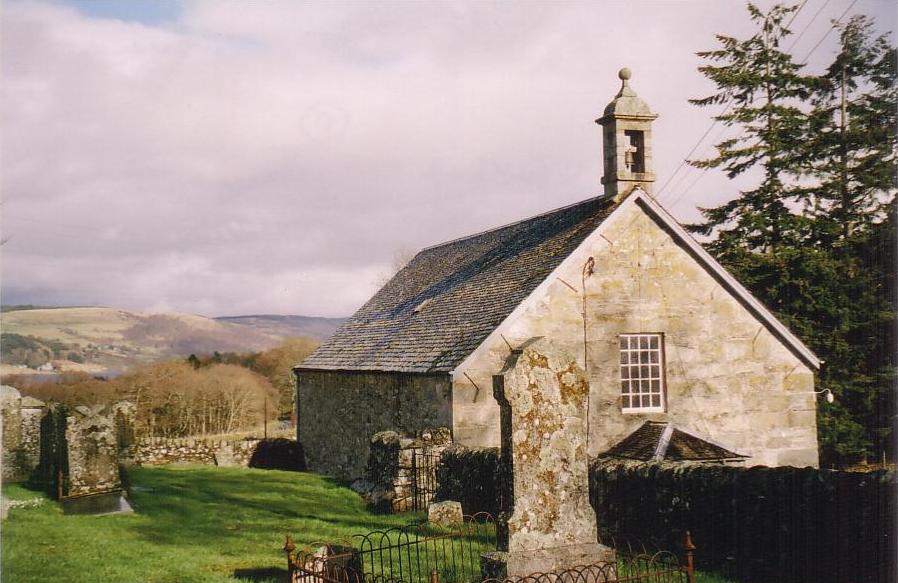
Son of a shepherd, Thomas Telford was born at Glendinning in the Meggat Valley on 9th August 1757. After the early death of his father, his mother moved to The Crooks and took farm work to help provide for her infant son. The young Thomas Telford attended Westerkirk Parish School before taking up an apprenticeship as a stonemason in Langholm. At the age of 23 Thomas Telford went to Edinburgh where he became involved in the design and construction of the New Town, and 2 years later, driven by ambition, he travelled to London. 

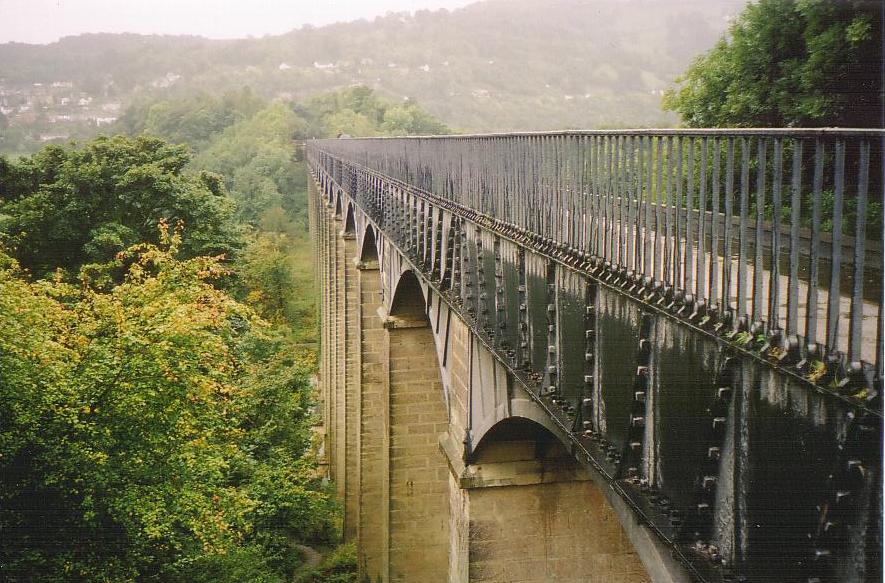
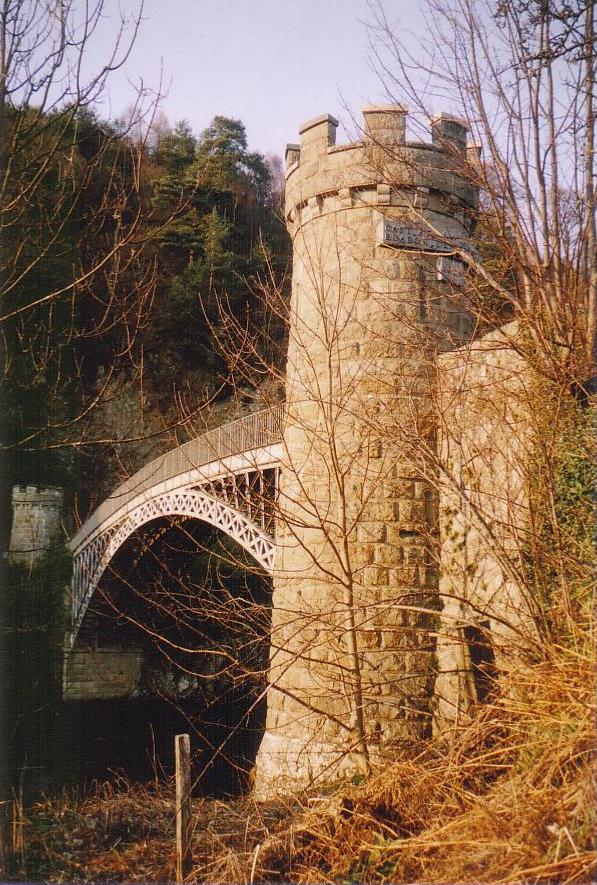
During the following years he studied hard and quickly rose from mason to architect to designer and engineer, undertaking increasingly complex projects, including the design and construction of churches, bridges, canals, aqueducts and tunnels. 
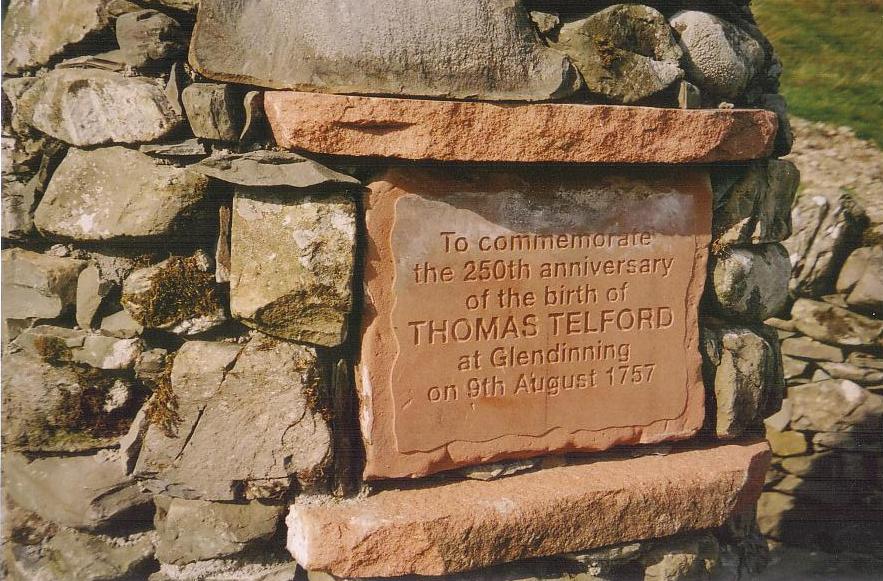
Telford Cairn at Glendinning

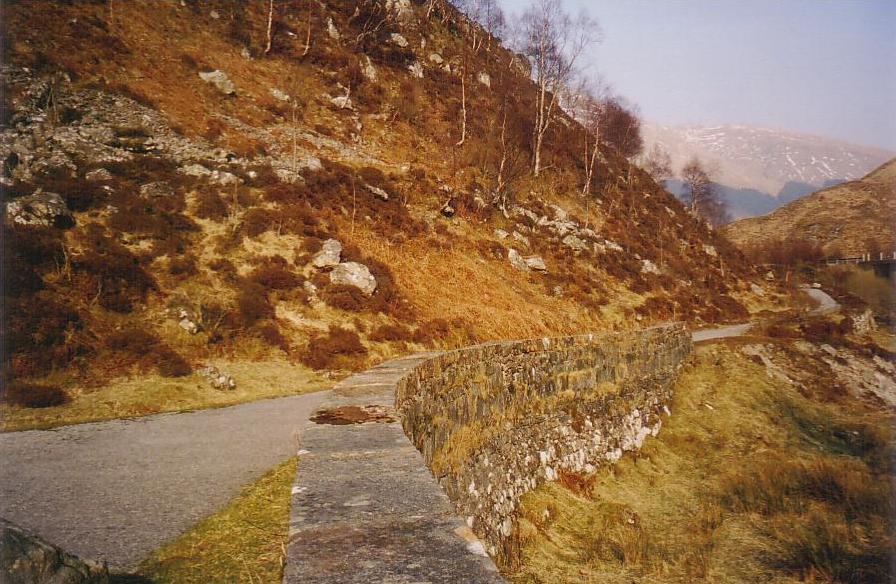
In 1801 Thomas Telford was commissioned by the Government to return to Scotland to carry out a survey of the Highlands, where conditions were extremely primitive. He designed an ambitious communications network, and over the next 18 years his work included the construction of over 1000 miles of roads, 17 major bridges and more than 1100 minor bridges. 

Thomas Telford was the founder member and the first president of the Institute of Civil Engineers. His skills gained an international reputation, but he never lost his affection for the people and landscape of Eskdale from which it is said he drew inspiration. He died on 2 September 1834 and is buried in Westminster Abbey. 

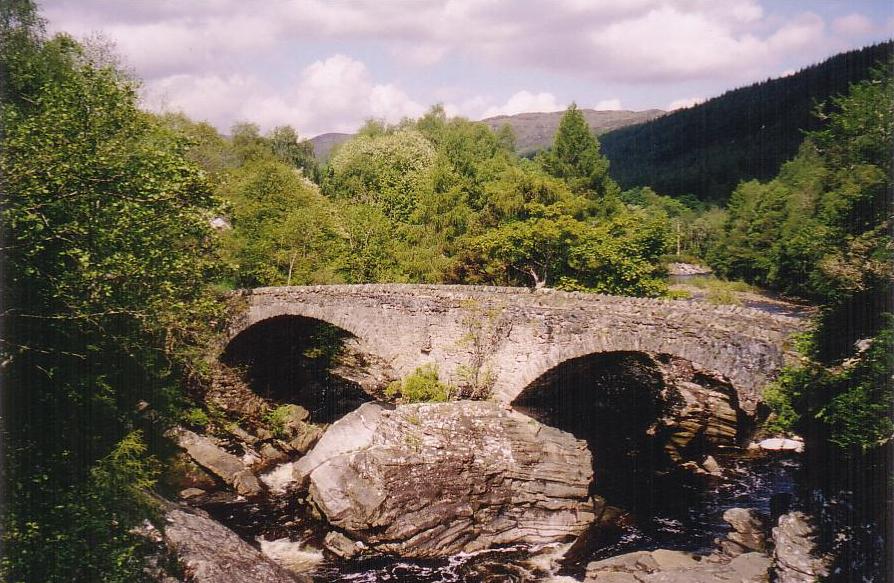
Dunkeld Bridge River Tay

More History & Archaeology

 
This website uses cookies
This site uses cookies to enhance your browsing experience. We use necessary cookies to make sure that our website works. We’d also like to set analytics cookies that help us make improvements by measuring how you use the site. By clicking “Allow All”, you agree to the storing of cookies on your device to enhance site navigation, analyse site usage, and assist in our marketing efforts.
These cookies are required for basic functionalities such as accessing secure areas of the website, remembering previous actions and facilitating the proper display of the website. Necessary cookies are often exempt from requiring user consent as they do not collect personal data and are crucial for the website to perform its core functions.
A “preferences” cookie is used to remember user preferences and settings on a website. These cookies enhance the user experience by allowing the website to remember choices such as language preferences, font size, layout customization, and other similar settings. Preference cookies are not strictly necessary for the basic functioning of the website but contribute to a more personalised and convenient browsing experience for users.
A “statistics” cookie typically refers to cookies that are used to collect anonymous data about how visitors interact with a website. These cookies help website owners understand how users navigate their site, which pages are most frequently visited, how long users spend on each page, and similar metrics. The data collected by statistics cookies is aggregated and anonymized, meaning it does not contain personally identifiable information (PII).
Marketing cookies are used to track user behaviour across websites, allowing advertisers to deliver targeted advertisements based on the user’s interests and preferences. These cookies collect data such as browsing history and interactions with ads to create user profiles. While essential for effective online advertising, obtaining user consent is crucial to comply with privacy regulations.