Find us at:

Megdale, Westerkirk, Langholm,
Dumfriesshire,
Scotland,
DG13 0NN

 
Home » The Farms » Our Farming System » Sheep Sales

From Hill to Market: The Glendinning Sales Cycle

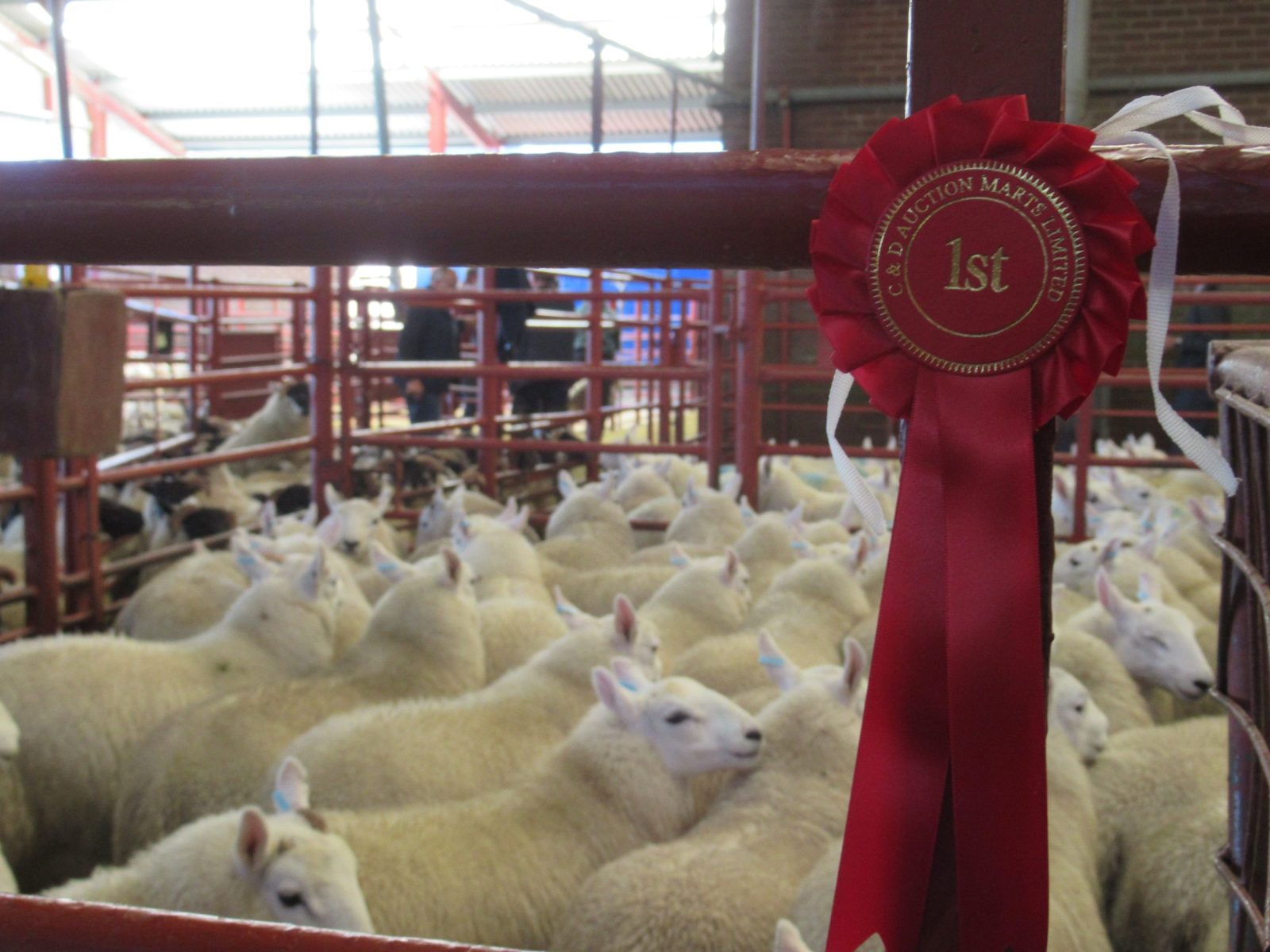
In early September the ewes are gathered in from the hills, stock ewe lambs are drawn, and all other lambs weaned.  

Wedder lambs are sold as store lambs through Longtown Auction Mart, achieving among the highest prices every week. Many regular buyers return year after year to purchase Glendinning Cheviot wedders and Sundhope Blackface wedders for finishing over the winter months. These lambs are highly sought after. On low ground they will grow on without the need for supplementary feed, producing top quality prime lambs for the market from Christmas through to the early months of the year – a time when sheep prices are invariably at their peak.  
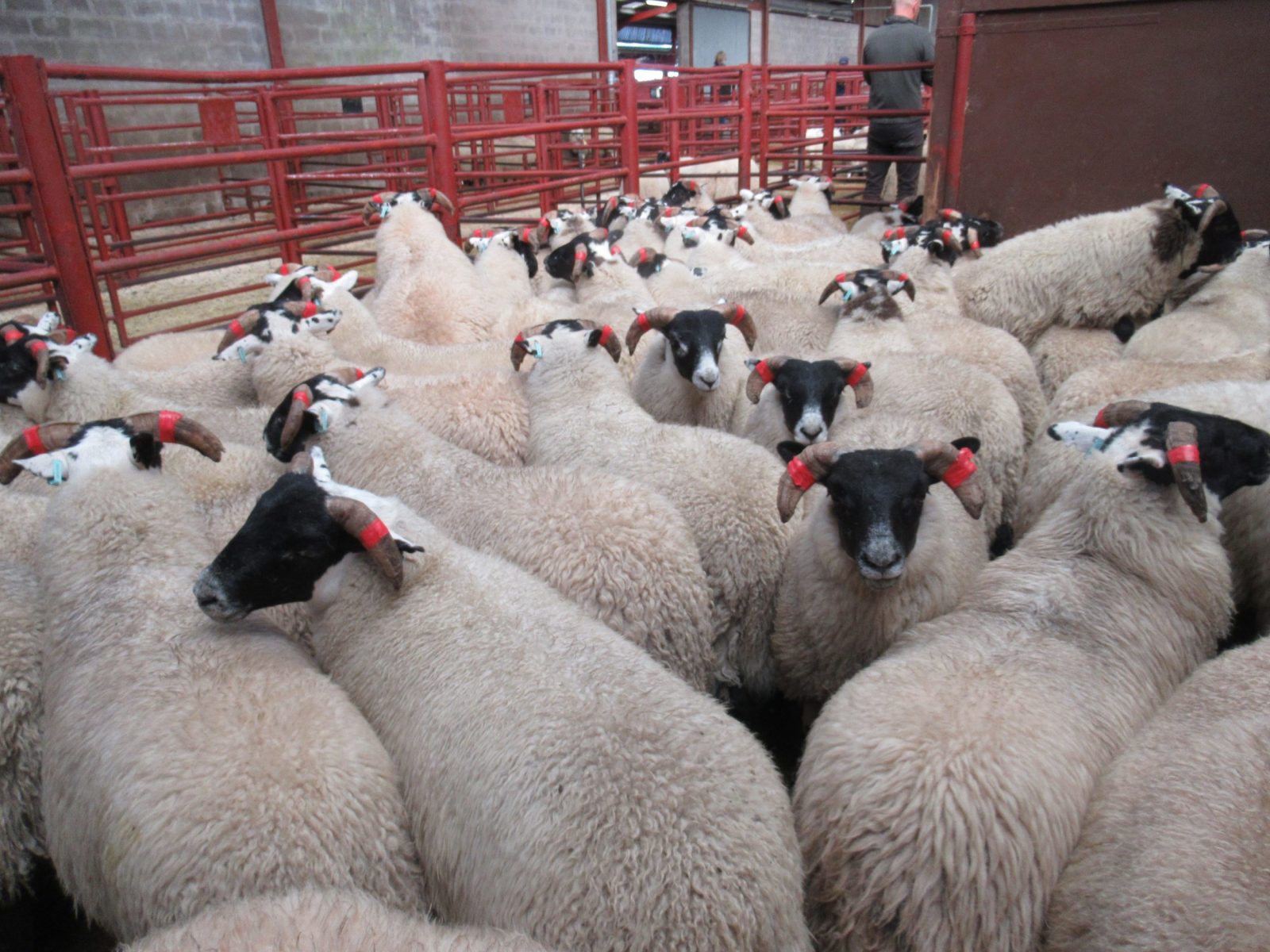
The 5-year-old ewes are sold through Longtown Auction Mart at the end of September, with buyers coming from as far afield as Wales, Devon, Cornwall, Yorkshire and Aberdeenshire.

These ewes go on to breed for another 2 or 3 years in a less challenging environment, often crossed with a more commercial ram. Surplus ewe lambs are also sold either for future breeding or for conservation grazing. Again, buyers return year after year to buy breeding females from Glendinning Farms. 

Each year around 50 Cheviot tup lambs are kept entire and a selection of these are sold as shearling rams the following year at the annual Cheviot Sheep Society breed sale through Harrison and Hetherington at Lockerbie Auction Mart. 

The South Country Cheviot tup is also gaining a reputation for being an ideal crossing tup when used over other hill breeds or commercial ewe hoggs.  

This website uses cookies
This site uses cookies to enhance your browsing experience. We use necessary cookies to make sure that our website works. We’d also like to set analytics cookies that help us make improvements by measuring how you use the site. By clicking “Allow All”, you agree to the storing of cookies on your device to enhance site navigation, analyse site usage, and assist in our marketing efforts.
These cookies are required for basic functionalities such as accessing secure areas of the website, remembering previous actions and facilitating the proper display of the website. Necessary cookies are often exempt from requiring user consent as they do not collect personal data and are crucial for the website to perform its core functions.
A “preferences” cookie is used to remember user preferences and settings on a website. These cookies enhance the user experience by allowing the website to remember choices such as language preferences, font size, layout customization, and other similar settings. Preference cookies are not strictly necessary for the basic functioning of the website but contribute to a more personalised and convenient browsing experience for users.
A “statistics” cookie typically refers to cookies that are used to collect anonymous data about how visitors interact with a website. These cookies help website owners understand how users navigate their site, which pages are most frequently visited, how long users spend on each page, and similar metrics. The data collected by statistics cookies is aggregated and anonymized, meaning it does not contain personally identifiable information (PII).
Marketing cookies are used to track user behaviour across websites, allowing advertisers to deliver targeted advertisements based on the user’s interests and preferences. These cookies collect data such as browsing history and interactions with ads to create user profiles. While essential for effective online advertising, obtaining user consent is crucial to comply with privacy regulations.