Find us at:

Megdale, Westerkirk, Langholm,
Dumfriesshire,
Scotland,
DG13 0NN


The History of The Louisa Mine 1793 – 1798 

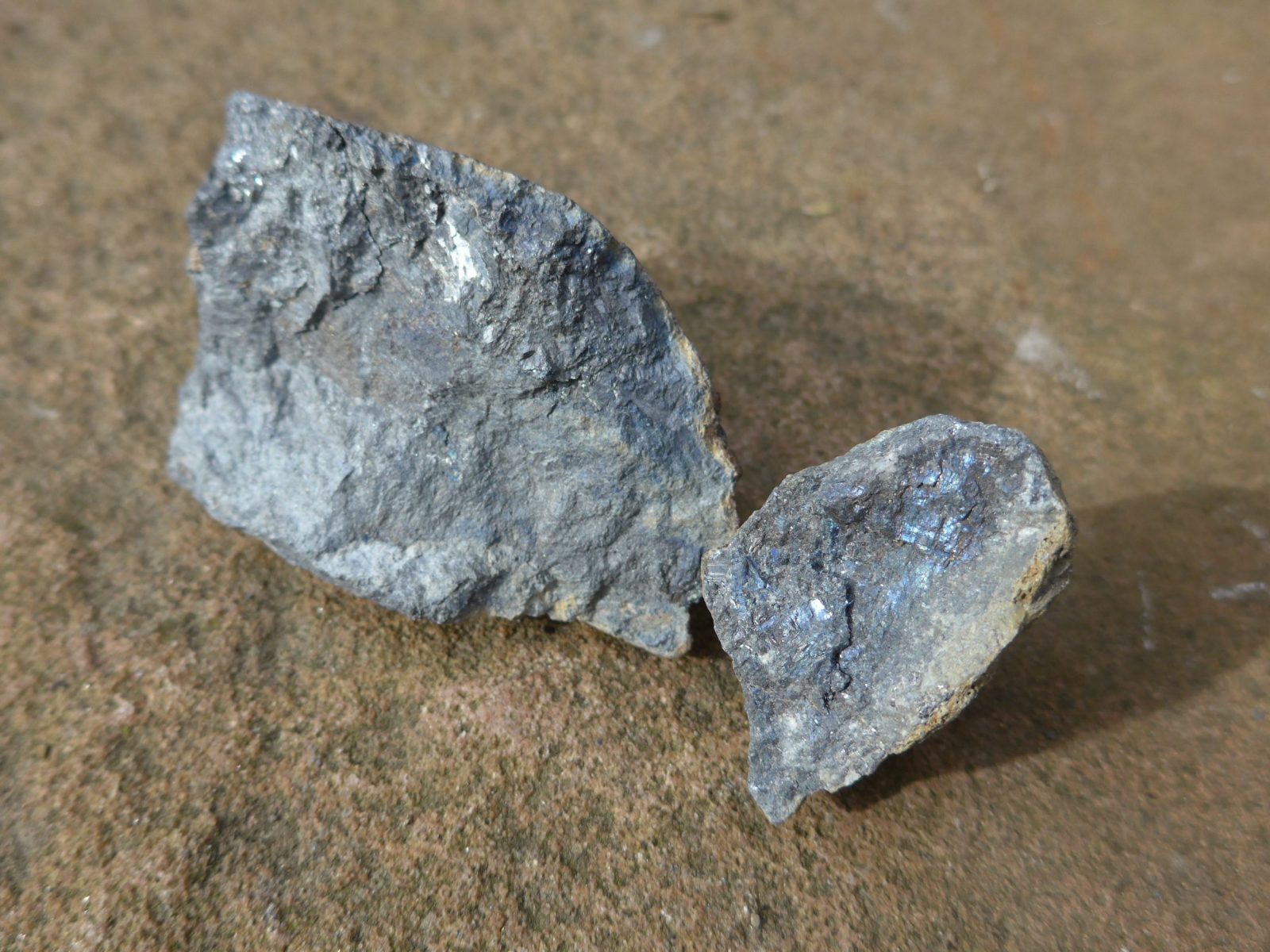
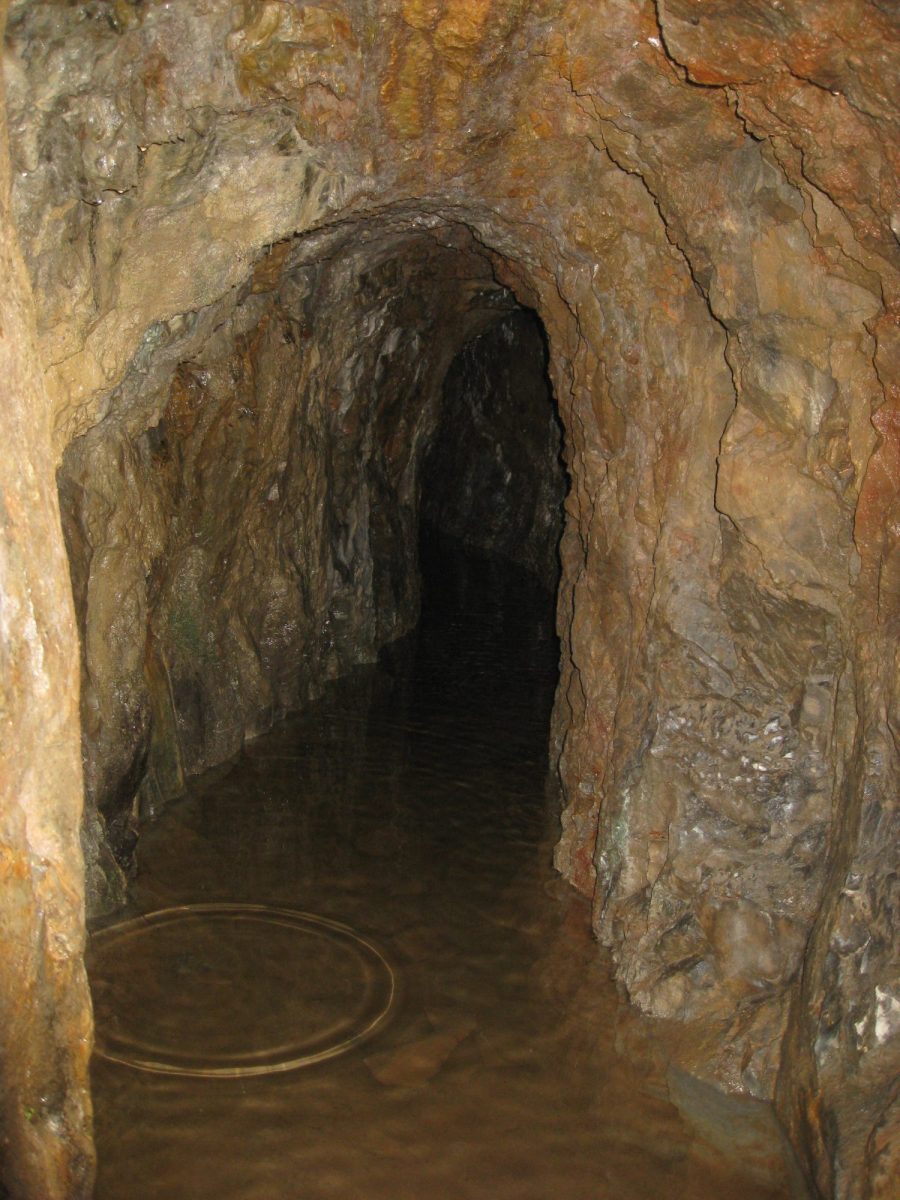
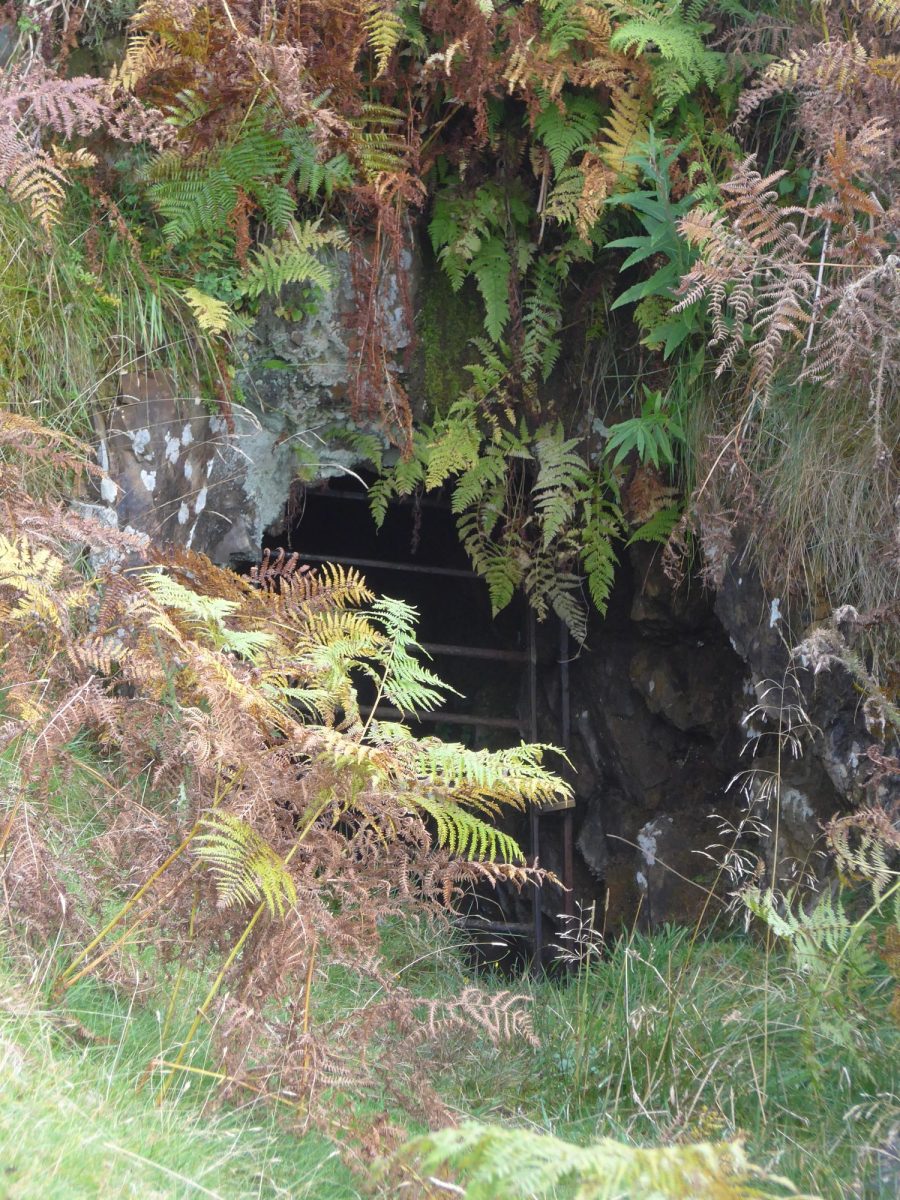
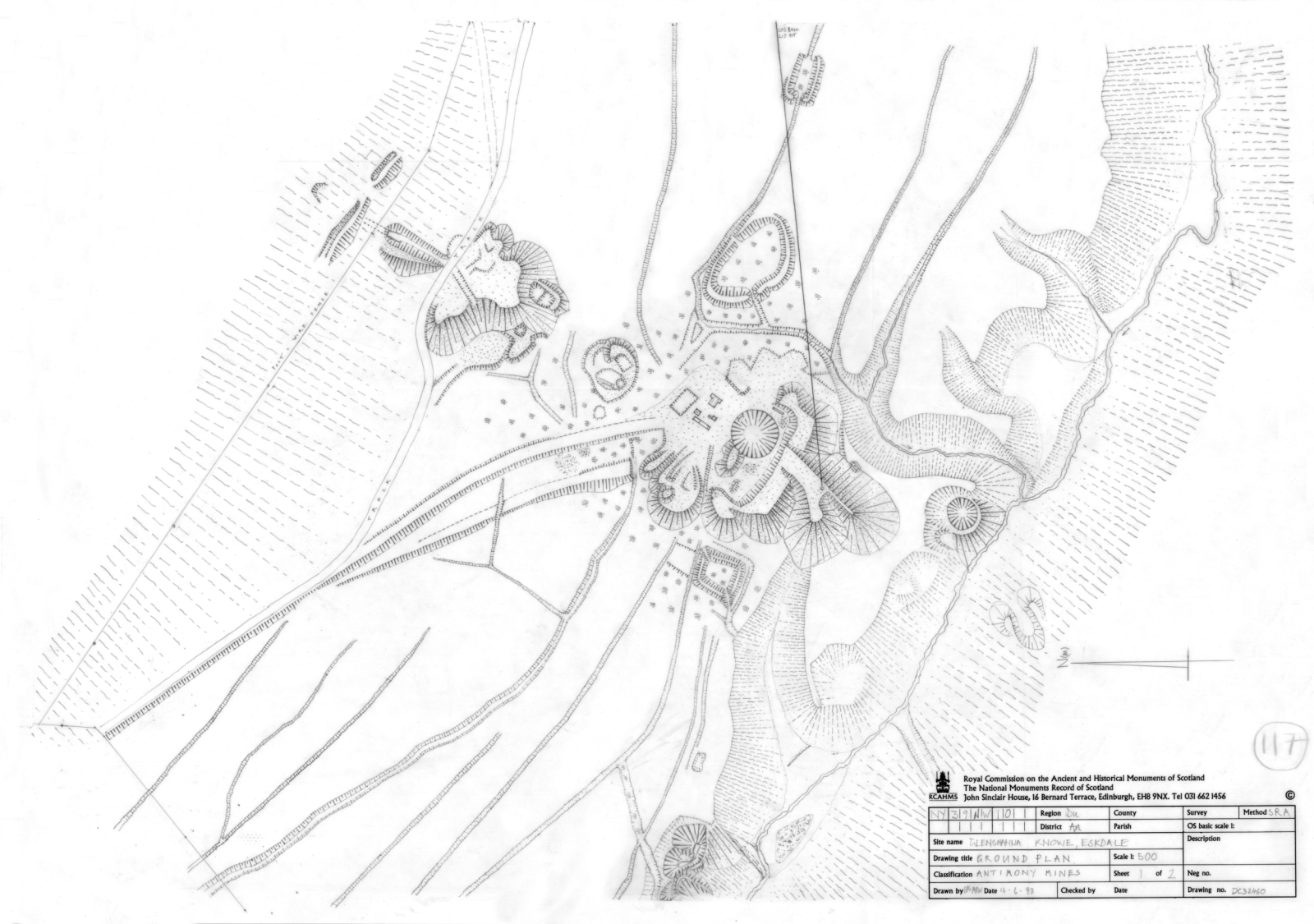
The Glendinning Antimony Mine – also known as The Louisa Mine – and smelting works were opened by Sir James Johnstone of Westerhall in 1793 and were worked for 5 years. The mine only was worked again from 1888 – 1891 and from 1919 – 1922. The mine was worked from two horizontal shafts; the middle level being reached by a series of ladders from the other two levels.

During the last period of working a fourth level was opened below the level of the burn. This tunnel had to be constantly pumped dry, and when mining ceased in 1922 the lower level filled with water and the pumping equipment had to be abandoned, remaining there to this day. 

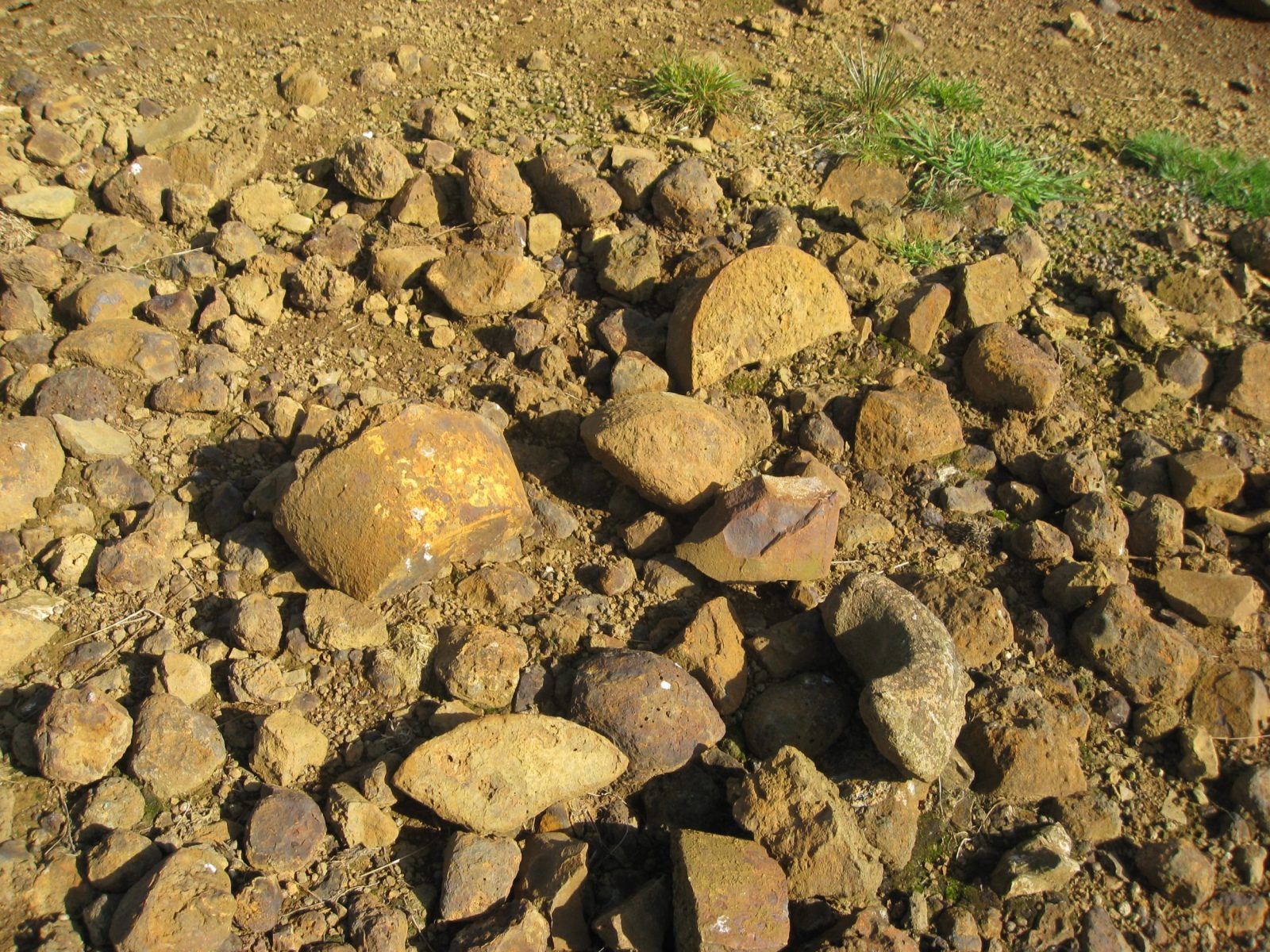
Remains of the Foundry

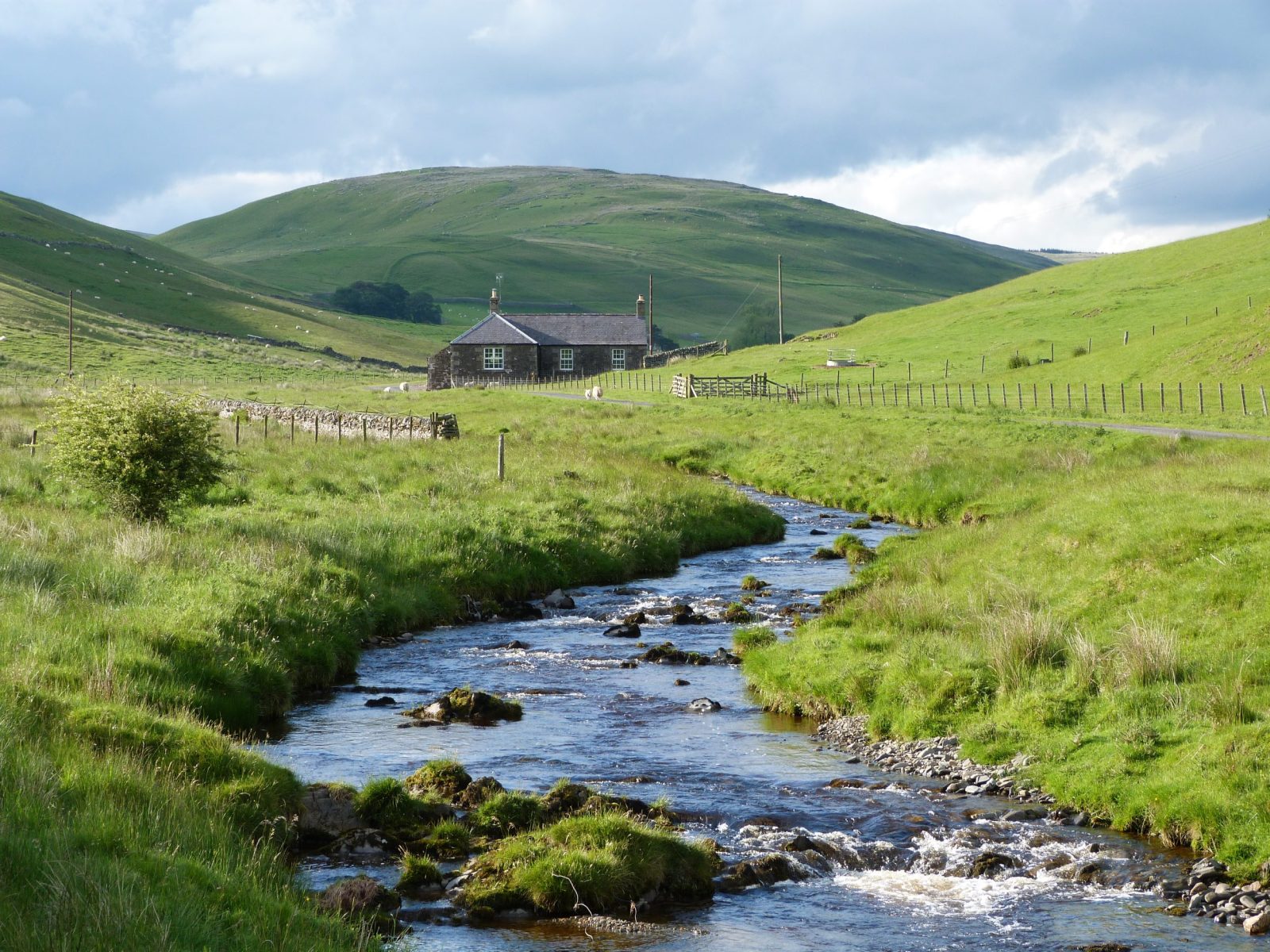
Remains of the mine can be seen on both sides of the Glenshanna Burn 1 mile east of Glendinning Farm. The explosives hut still stands on the south side of the burn. The remains of the smelting plant where the ore was processed can be seen in the field at the bottom of the Glenshanna Burn. Uses of antimony at that time included bell metal, gun metal, surgical instruments and types for printing. 

In 1794 the mining village of Jamestown was built to house the 40 miners and their families. The Mining Company also built 3.5 miles of road down the east bank of the Meggat Water and 4 stone bridges linking the village with Waulkmill near Georgefield. A school was built for the education of the miners’ children. 

The miners worked 6 hours a day and were paid £23 – £26 per year. Each miner was able to keep a cow for £1 per year, while he could cultivate as much land as he required for growing cabbages and potatoes at a rent of 10/- per acre. In 1793 the Mining Company established a library for the use of the miners. The books are now housed in the Westerkirk Library, which was built in 1862 and remains in use today. 
More History & Archaeology

 
This website uses cookies
This site uses cookies to enhance your browsing experience. We use necessary cookies to make sure that our website works. We’d also like to set analytics cookies that help us make improvements by measuring how you use the site. By clicking “Allow All”, you agree to the storing of cookies on your device to enhance site navigation, analyse site usage, and assist in our marketing efforts.
These cookies are required for basic functionalities such as accessing secure areas of the website, remembering previous actions and facilitating the proper display of the website. Necessary cookies are often exempt from requiring user consent as they do not collect personal data and are crucial for the website to perform its core functions.
A “preferences” cookie is used to remember user preferences and settings on a website. These cookies enhance the user experience by allowing the website to remember choices such as language preferences, font size, layout customization, and other similar settings. Preference cookies are not strictly necessary for the basic functioning of the website but contribute to a more personalised and convenient browsing experience for users.
A “statistics” cookie typically refers to cookies that are used to collect anonymous data about how visitors interact with a website. These cookies help website owners understand how users navigate their site, which pages are most frequently visited, how long users spend on each page, and similar metrics. The data collected by statistics cookies is aggregated and anonymized, meaning it does not contain personally identifiable information (PII).
Marketing cookies are used to track user behaviour across websites, allowing advertisers to deliver targeted advertisements based on the user’s interests and preferences. These cookies collect data such as browsing history and interactions with ads to create user profiles. While essential for effective online advertising, obtaining user consent is crucial to comply with privacy regulations.