

Hefting: A Heritage of Hill Farming
We run a traditional extensive grazing system known as hefting. Hefting is an age-old practice which has shaped the pastoral landscape and sustained rural communities over many centuries. The practice of hefting sheep depends on the extraordinary bond between sheep, the areas of ground where they were raised, and the shepherds who care for them. It is a system that enables large areas of unfenced hill ground to be managed in a sustainable and nature friendly way.
The flocks are made up of 5 regular ages of ewes with all replacement females selected from homebred ewes. This ensures continuity of hardy genetics and inbuilt immunity from local challenges such as ticks. Lambs learn from their mothers where best to find shelter from the winter storms, and how to navigate the hill ground safely. This knowledge is passed from generation to generation and is what makes the hefting system unique.
Five years old ewes are sold as draft ewes for further breeding in a kinder climate, often being crossed with a terminal sire to produce a more commercial lamb. The best ewe lambs from each heft are then retained to replace the draft ewes. These lambs become part of the breeding flock ensuring that the correct stocking density of one ewe to two acres is maintained from year to year.
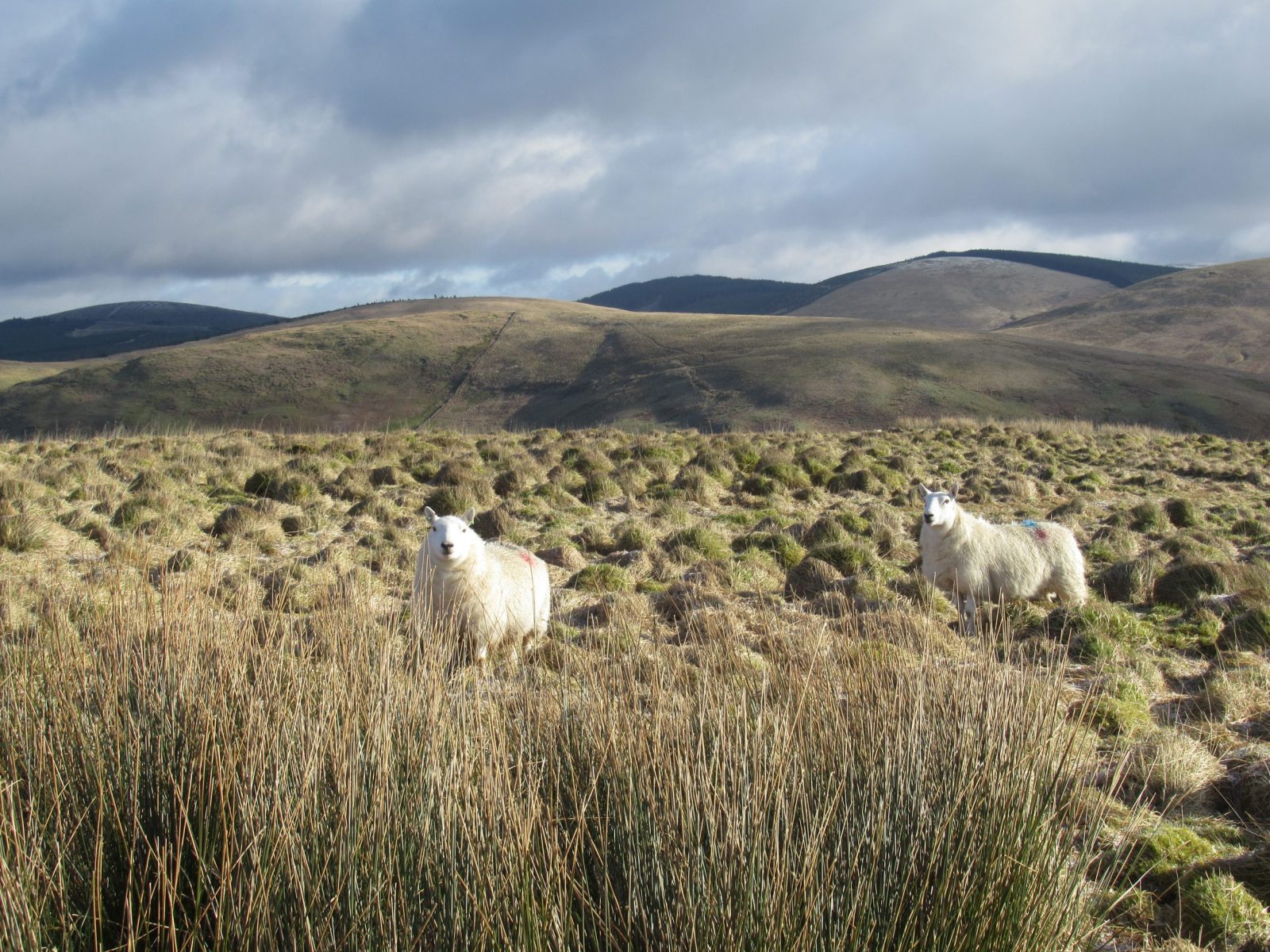
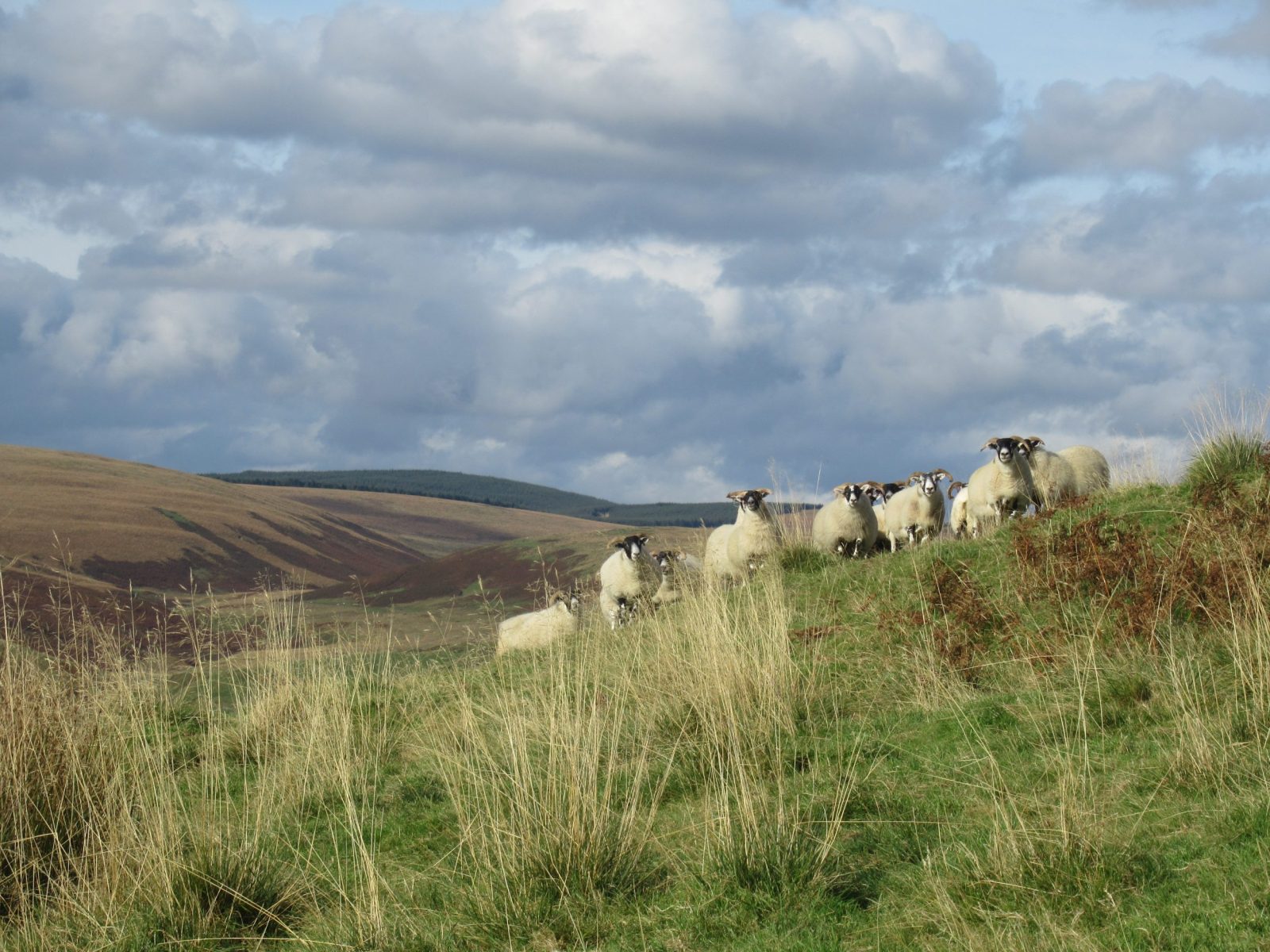
The tups (rams) run with the ewes from mid. November at approximately 1 tup to 60 ewes. Feed blocks are introduced in January, and ewes are pregnancy scanned in February with the scan results likely to be between 110% and 130%. Ewes are brought down into the enclosures from the beginning of April where they lamb. Single lambs return to the hill with their mothers until September, while twins remain in the enclosures until after the ewes are sheared in July. The lambs are weaned in September, stock ewe lambs drawn, and wedder lambs and surplus ewe lambs sold through the markets, or to private buyers.
Critical to the success of the flocks is the constant vigilance of 3 dedicated shepherds with the skills and dogs to gather large numbers of ewes for the regular handlings. Flock management focuses on welfare and disease prevention. This is achieved through the careful use of preventive medicines such as flukicides and fly cover, and vaccines to prevent orf, clostridial diseases, pneumonia and lameness. Investigating ill-thrift and identifying health issues is an important part of what we do while nutrition and mineral status are also key to productivity.

Have a Question?
If you have any questions, please don’t hesitate to get in touch – we’ll be happy to help.
