Find us at:

Megdale, Westerkirk, Langholm,
Dumfriesshire,
Scotland,
DG13 0NN

 
Home » The Meggat Valley » Biodiversity & Wildlife

Our Wildlife

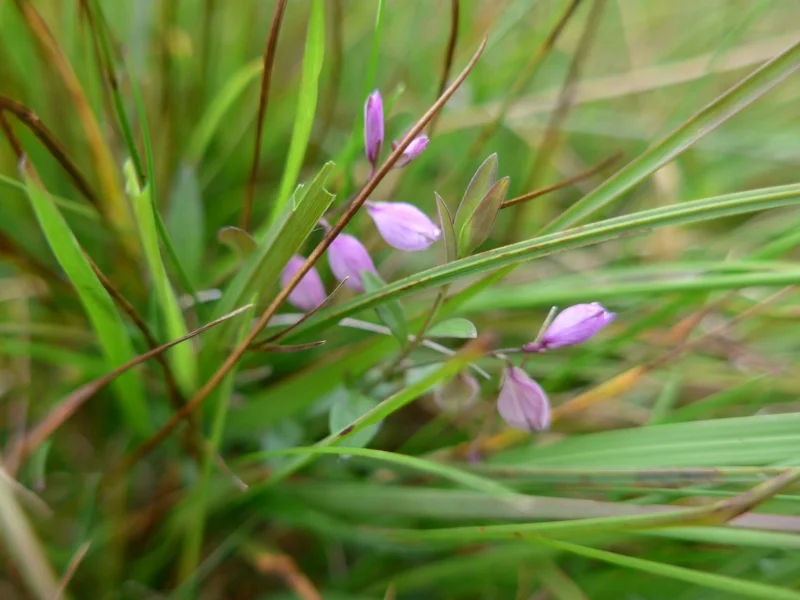
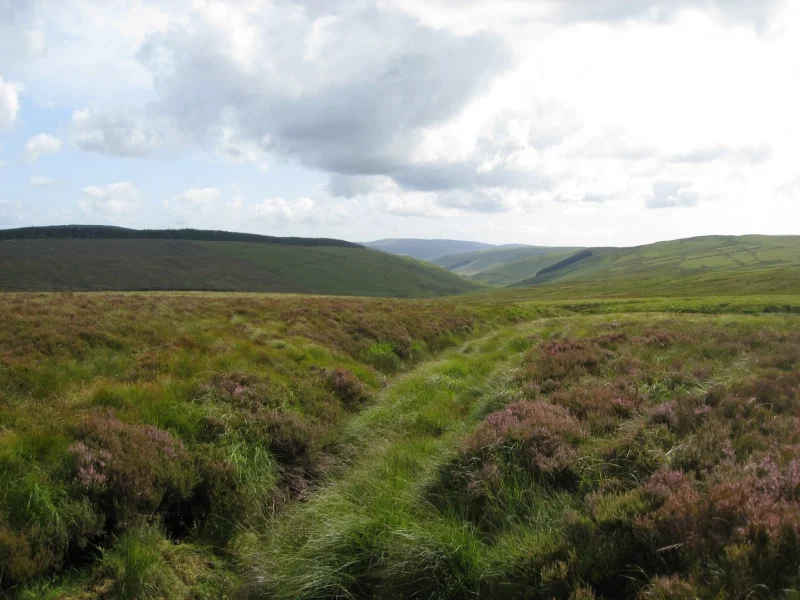
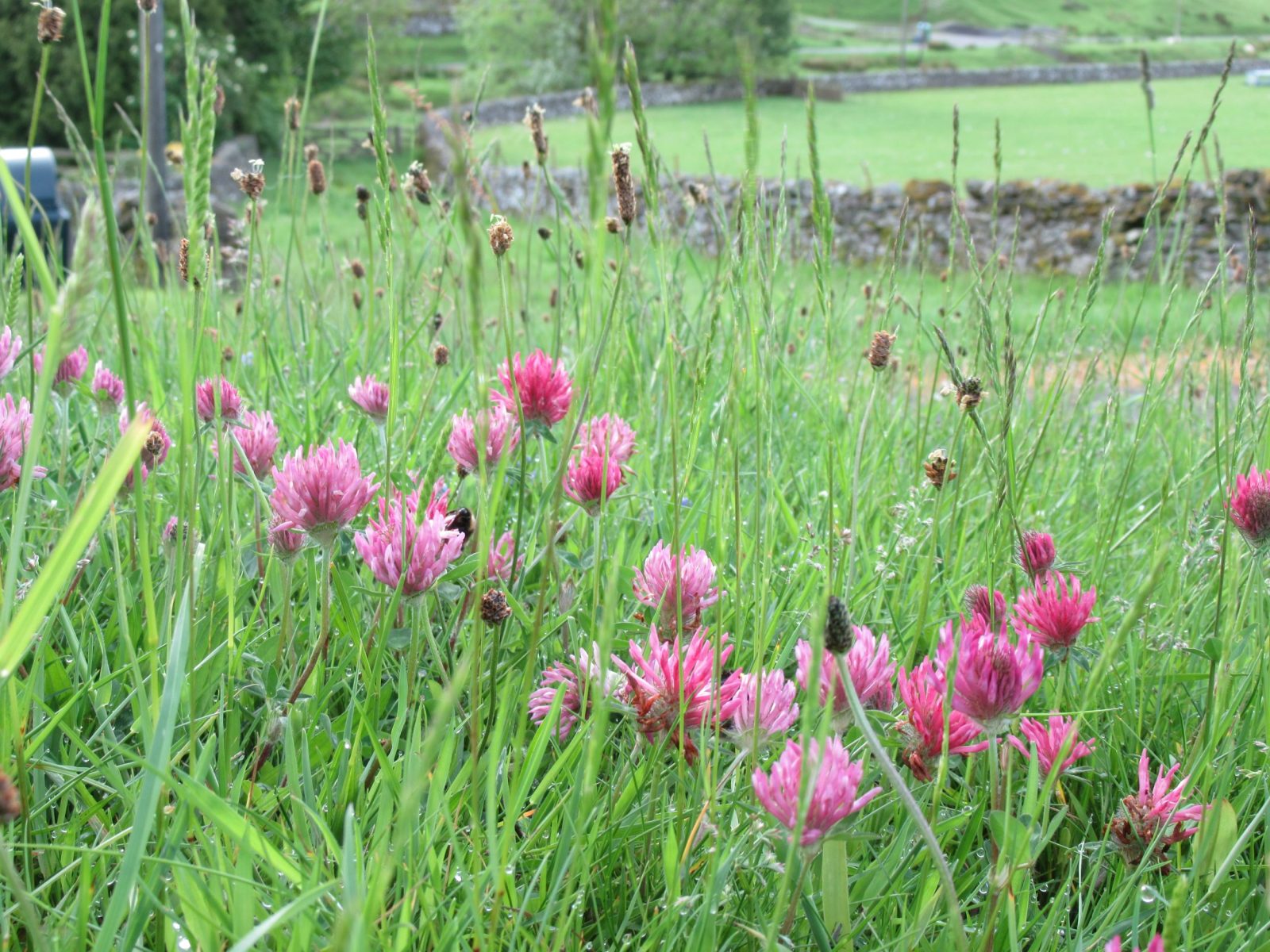
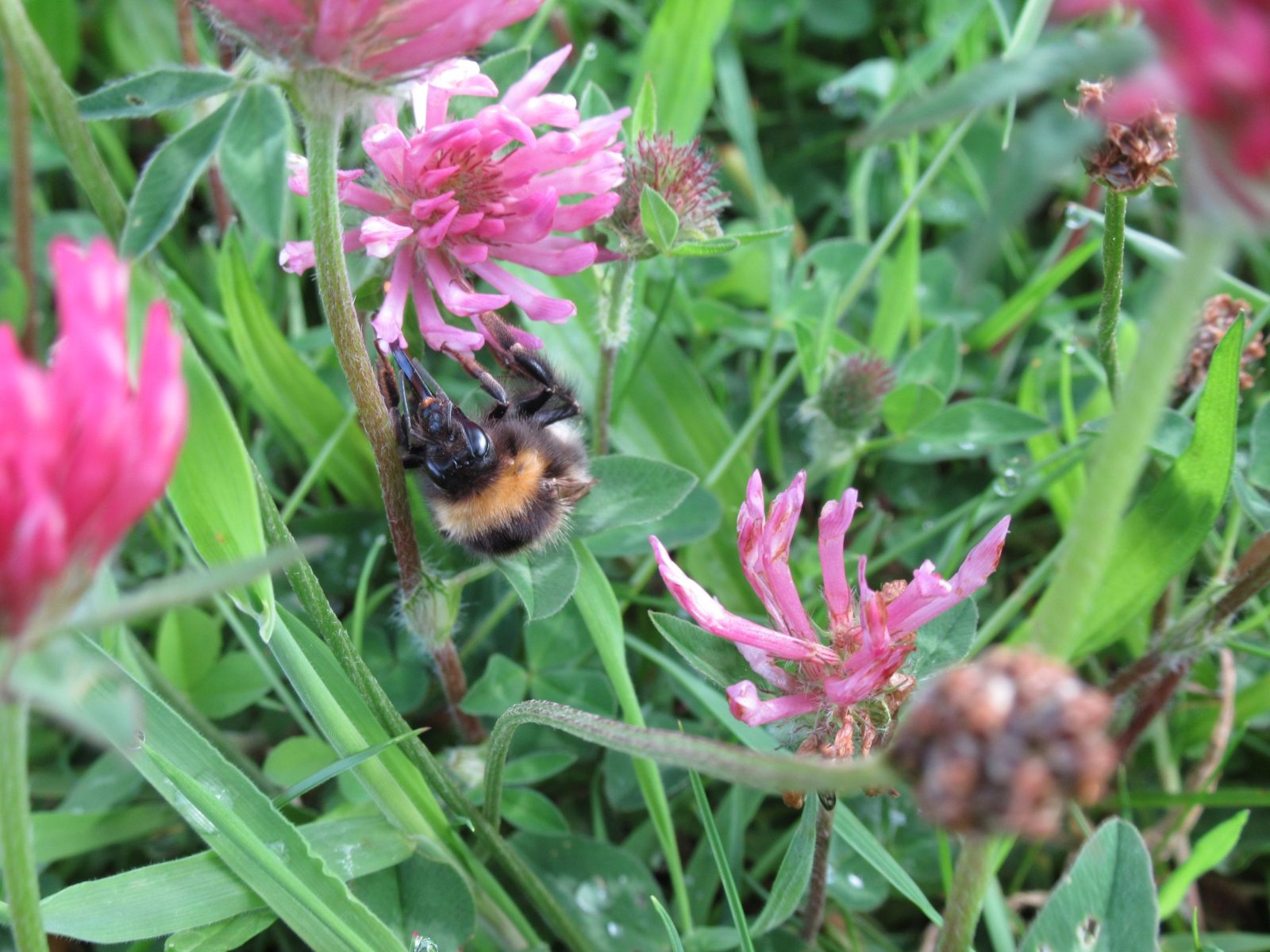
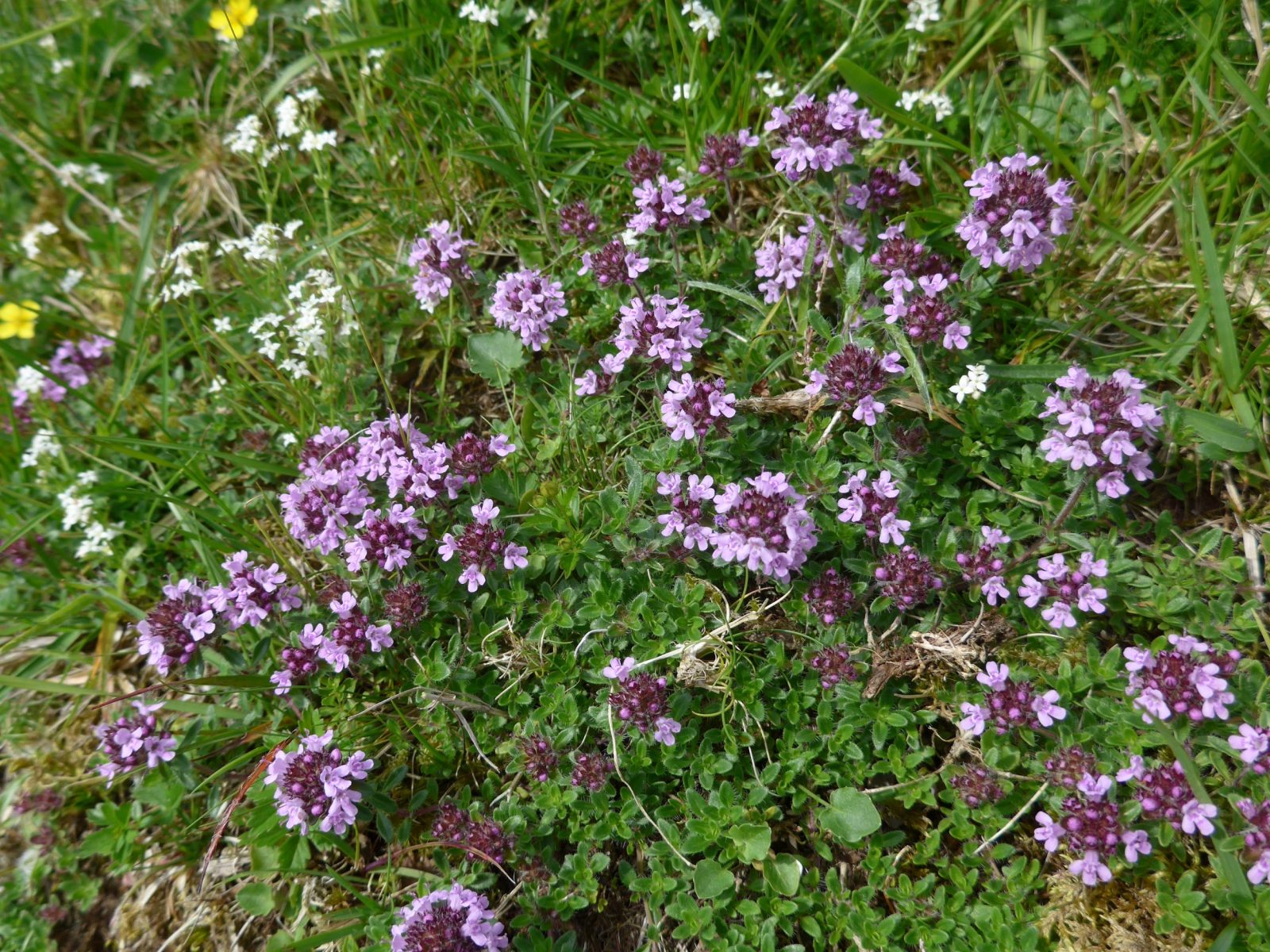
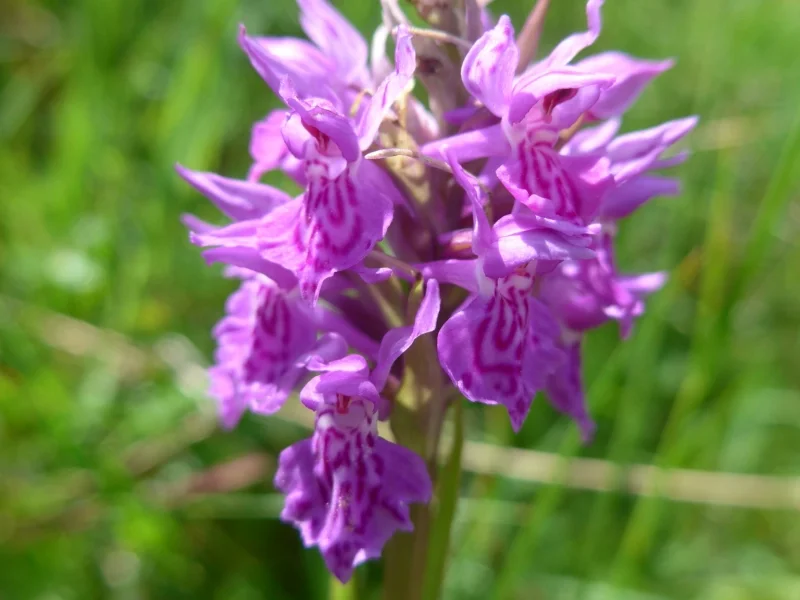
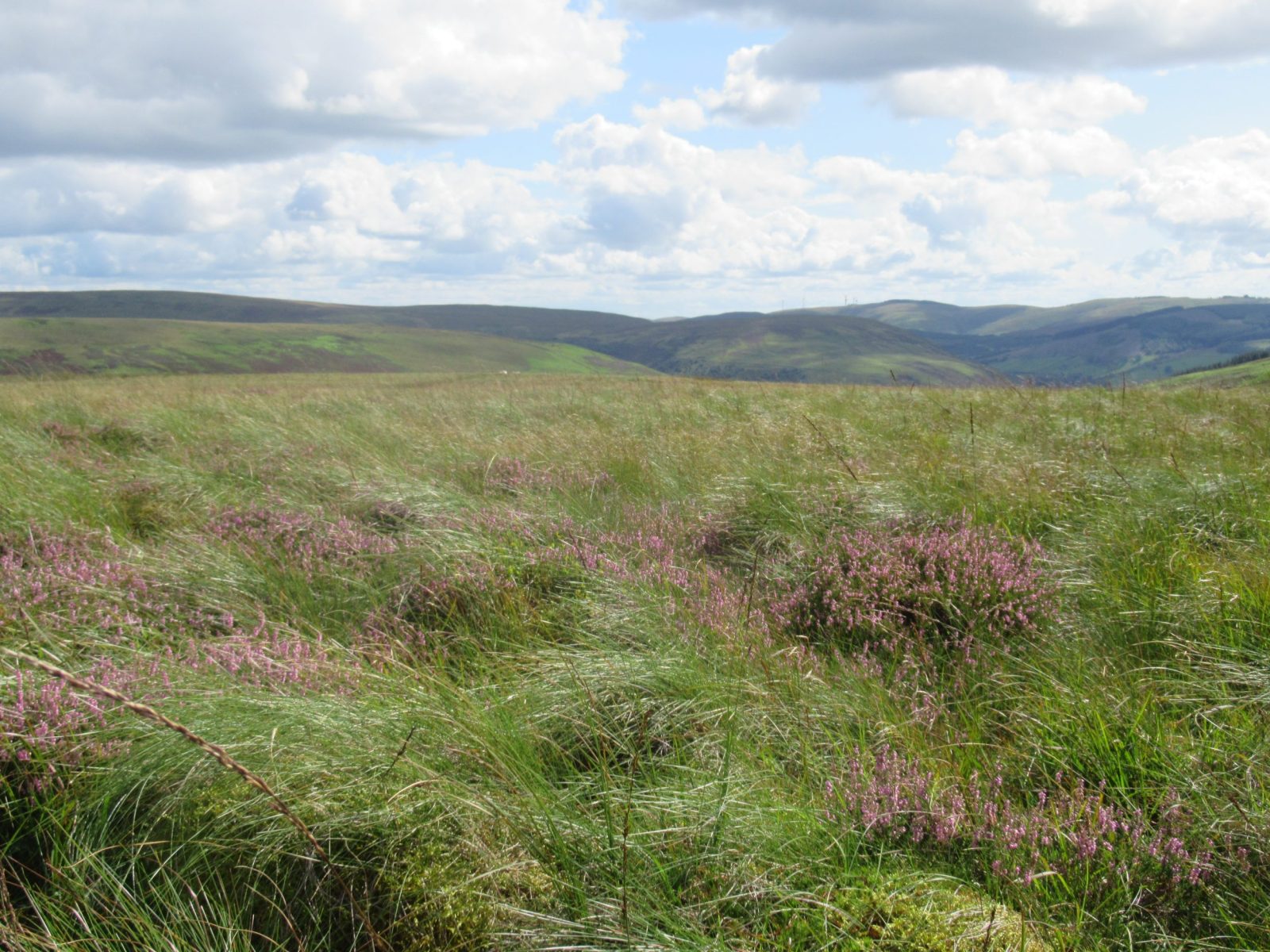
We believe that our extensive grazing system works with nature to create and protect important habitats for plant and bird life.  No synthetic fertilisers are applied; the pastures instead are naturally fertilised by sheep manure. 

Shelterbelts which were previously planted with non-native spruce have been felled and replanted with a large percentage of native broad-leaved species such as oak, hazel, rowan, alder, birch and wild cherry, providing blossom in spring for pollinators, and seeds and berries later in the year as an important food source for wildlife.   

The watercourses are sparkling and clear and support many species of fish and birdlife. Individual native broad-leaved trees grown from local seed have been planted along the water margins.  Large areas of blanket bog remain well-covered with sphagnum mosses providing an important carbon sink and habitat for numerous bog plants.  

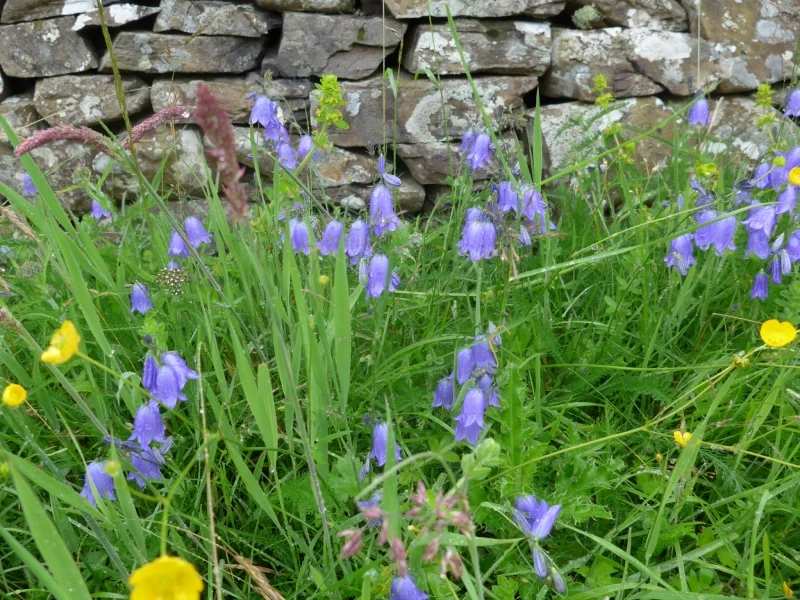
The drystone dykes which are a particular feature of the upland landscape, are a whole ecosystem in themselves, supporting many species of mosses and lichens, and providing shelter and nesting sites for small mammals and birds.  
Find Out More About Biodiversity & Wildlife

 
This website uses cookies
This site uses cookies to enhance your browsing experience. We use necessary cookies to make sure that our website works. We’d also like to set analytics cookies that help us make improvements by measuring how you use the site. By clicking “Allow All”, you agree to the storing of cookies on your device to enhance site navigation, analyse site usage, and assist in our marketing efforts.
These cookies are required for basic functionalities such as accessing secure areas of the website, remembering previous actions and facilitating the proper display of the website. Necessary cookies are often exempt from requiring user consent as they do not collect personal data and are crucial for the website to perform its core functions.
A “preferences” cookie is used to remember user preferences and settings on a website. These cookies enhance the user experience by allowing the website to remember choices such as language preferences, font size, layout customization, and other similar settings. Preference cookies are not strictly necessary for the basic functioning of the website but contribute to a more personalised and convenient browsing experience for users.
A “statistics” cookie typically refers to cookies that are used to collect anonymous data about how visitors interact with a website. These cookies help website owners understand how users navigate their site, which pages are most frequently visited, how long users spend on each page, and similar metrics. The data collected by statistics cookies is aggregated and anonymized, meaning it does not contain personally identifiable information (PII).
Marketing cookies are used to track user behaviour across websites, allowing advertisers to deliver targeted advertisements based on the user’s interests and preferences. These cookies collect data such as browsing history and interactions with ads to create user profiles. While essential for effective online advertising, obtaining user consent is crucial to comply with privacy regulations.