

Our Wildlife
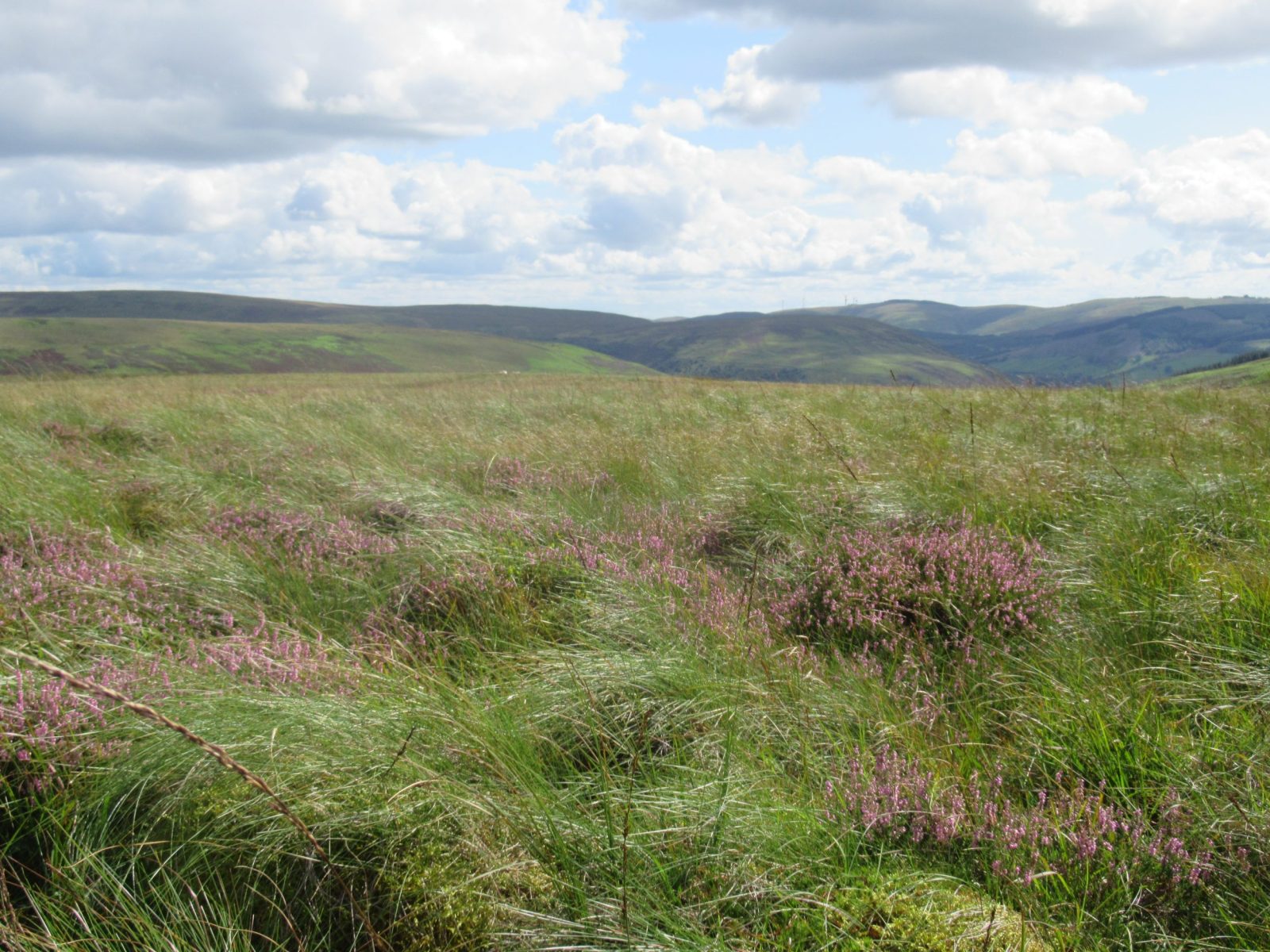
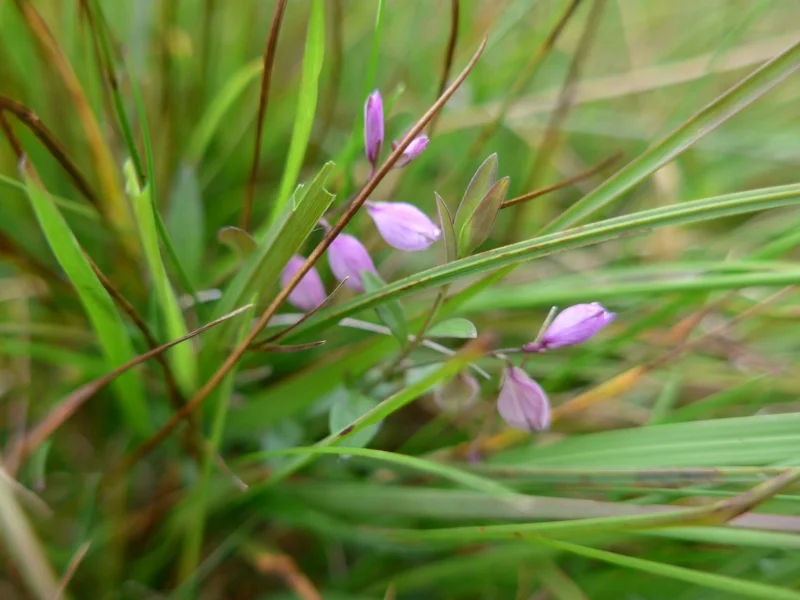
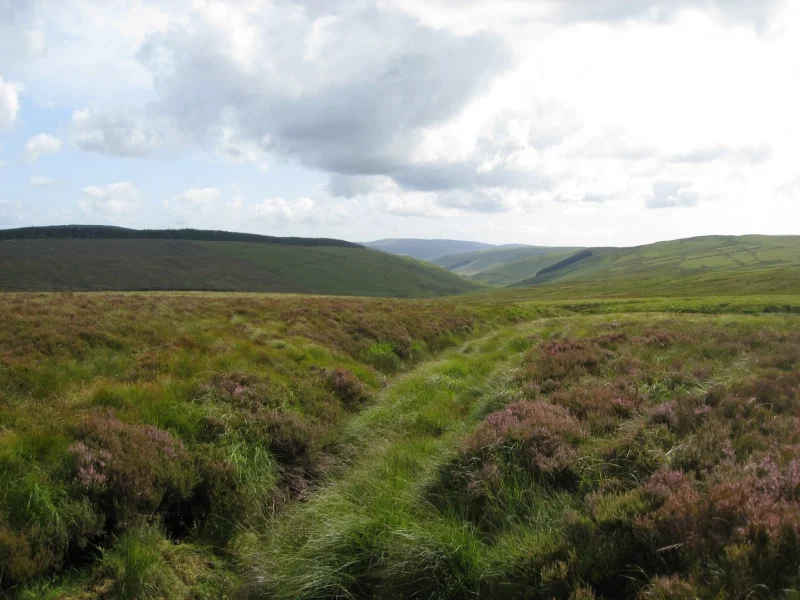
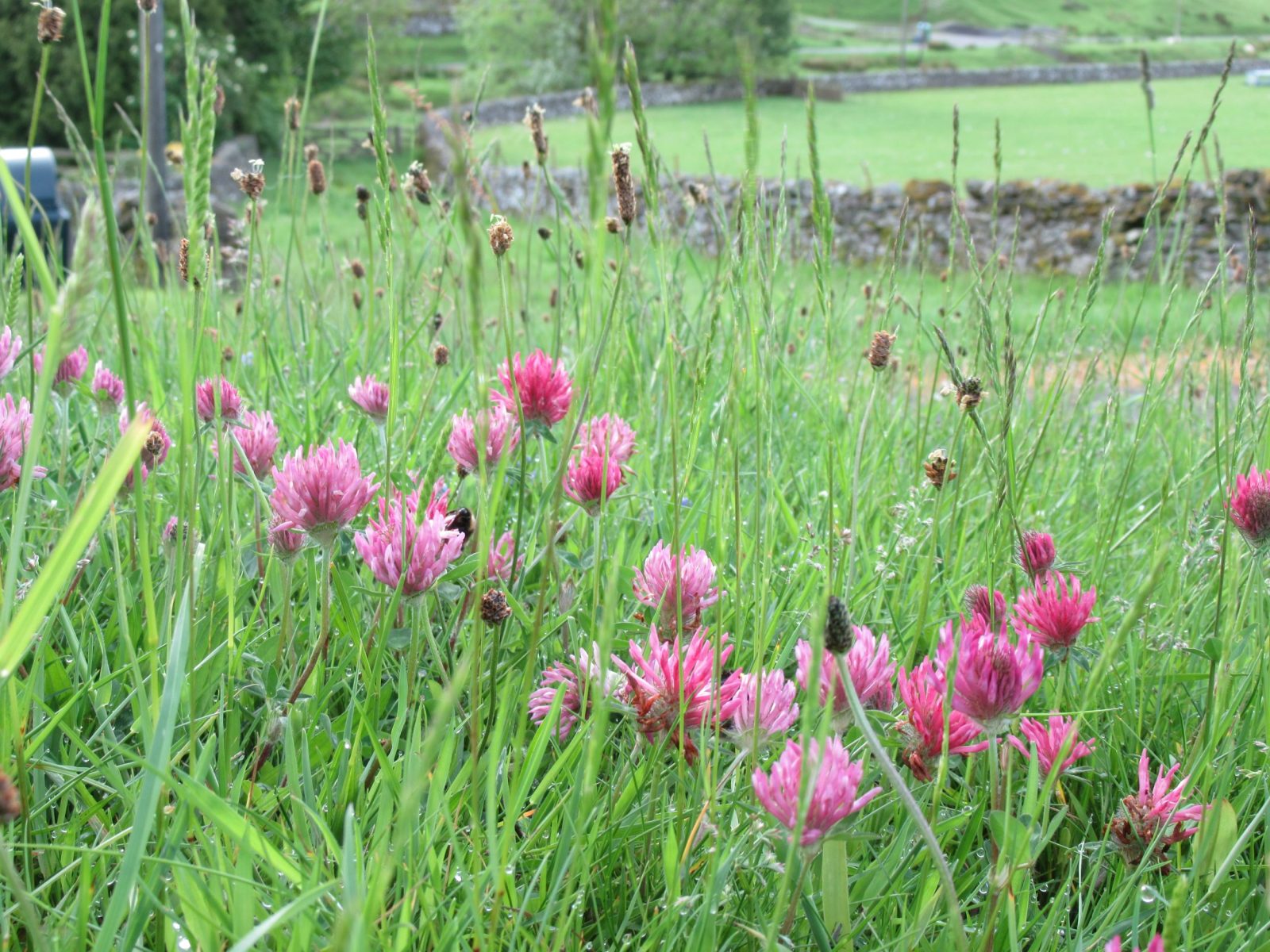
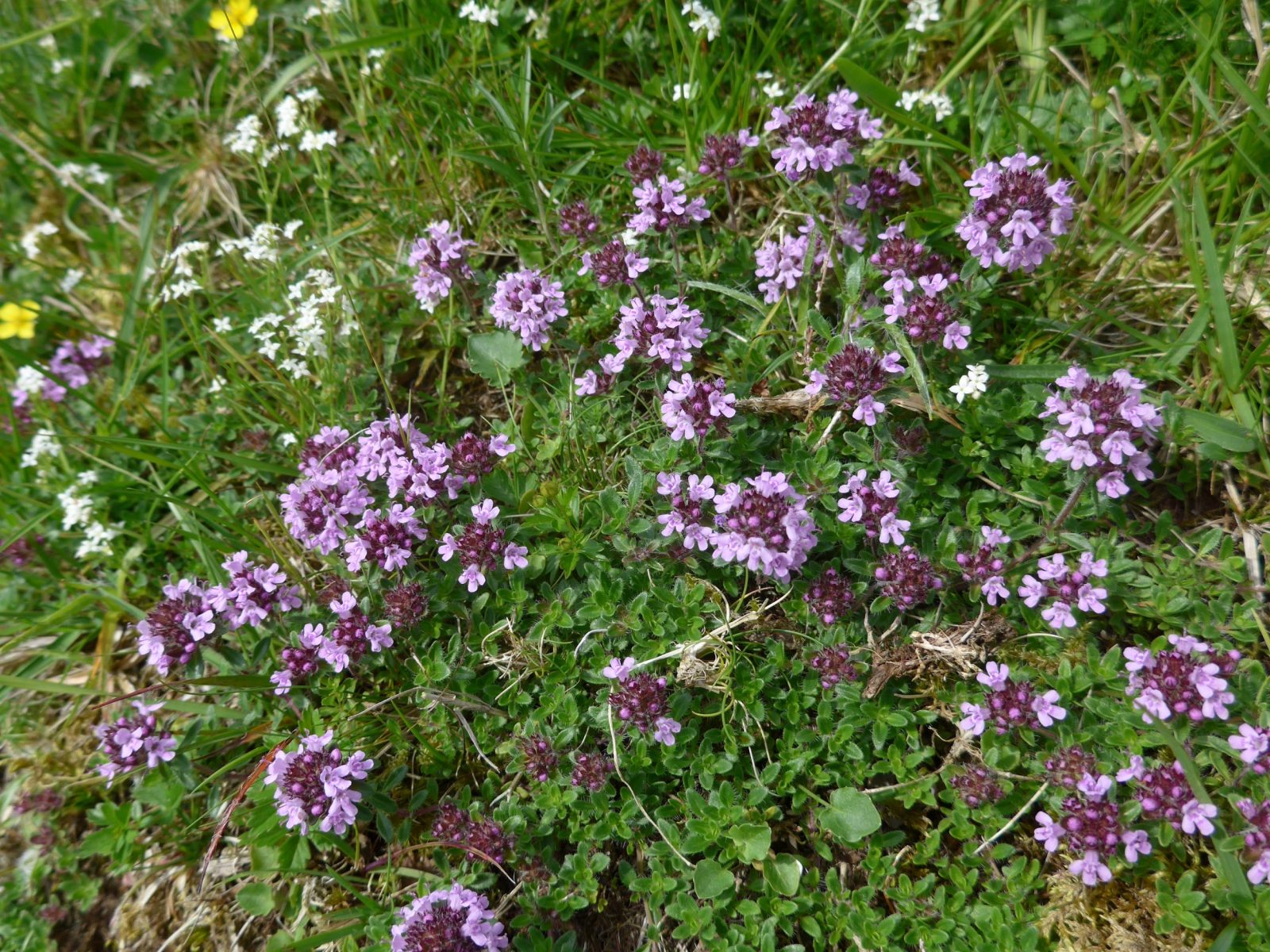
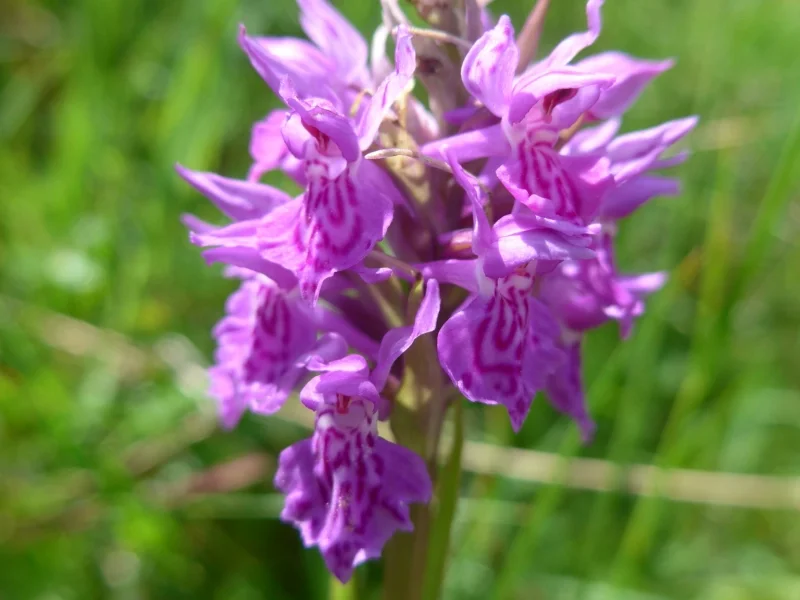
We believe that our extensive grazing system works with nature to create and protect important habitats for plant and bird life. No synthetic fertilisers are applied; the pastures instead are naturally fertilised by sheep manure.
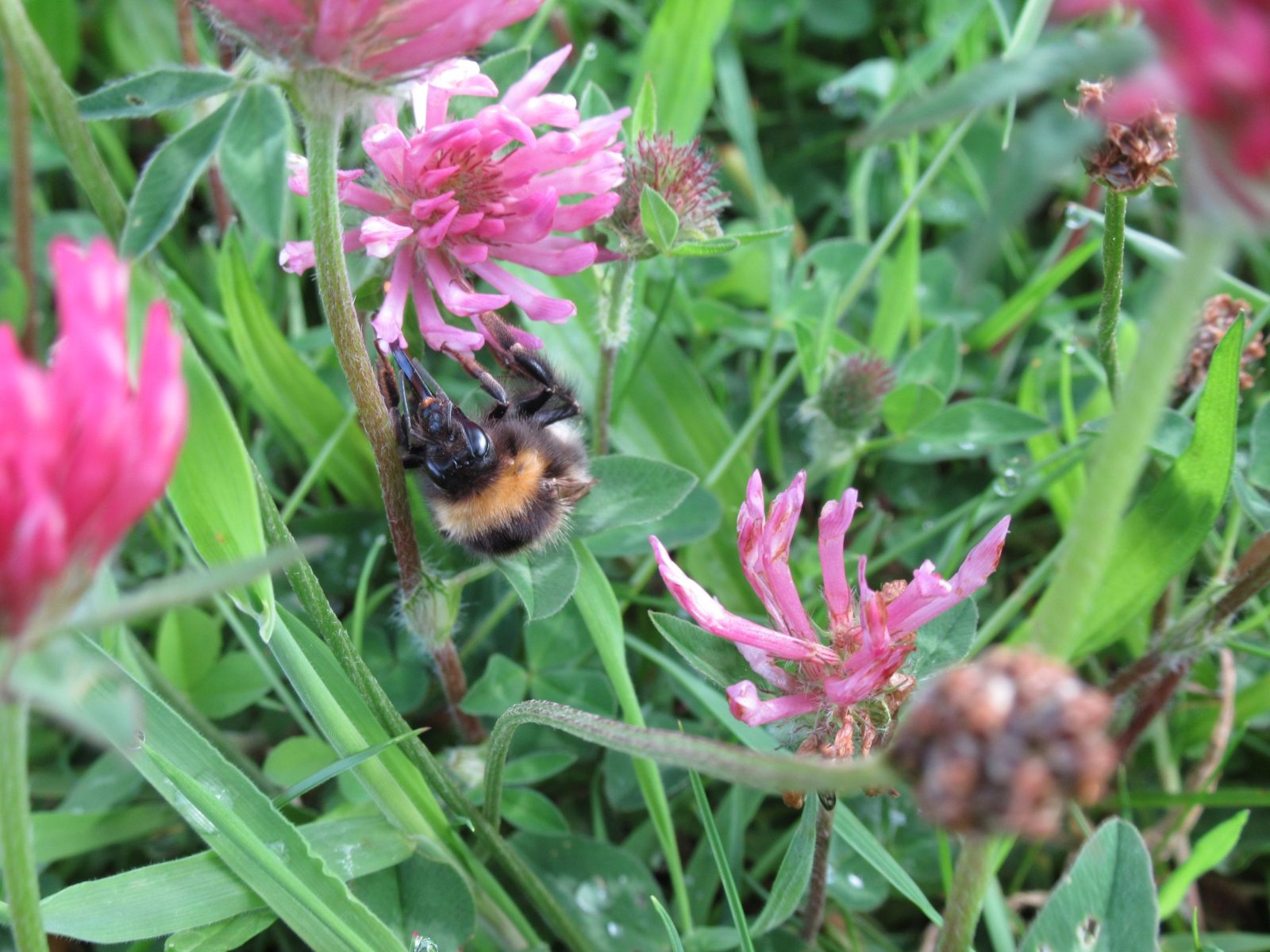
Shelterbelts which were previously planted with non-native spruce have been felled and replanted with a large percentage of native broad-leaved species such as oak, hazel, rowan, alder, birch and wild cherry, providing blossom in spring for pollinators, and seeds and berries later in the year as an important food source for wildlife.
The watercourses are sparkling and clear and support many species of fish and birdlife. Individual native broad-leaved trees grown from local seed have been planted along the water margins. Large areas of blanket bog remain well-covered with sphagnum mosses providing an important carbon sink and habitat for numerous bog plants.
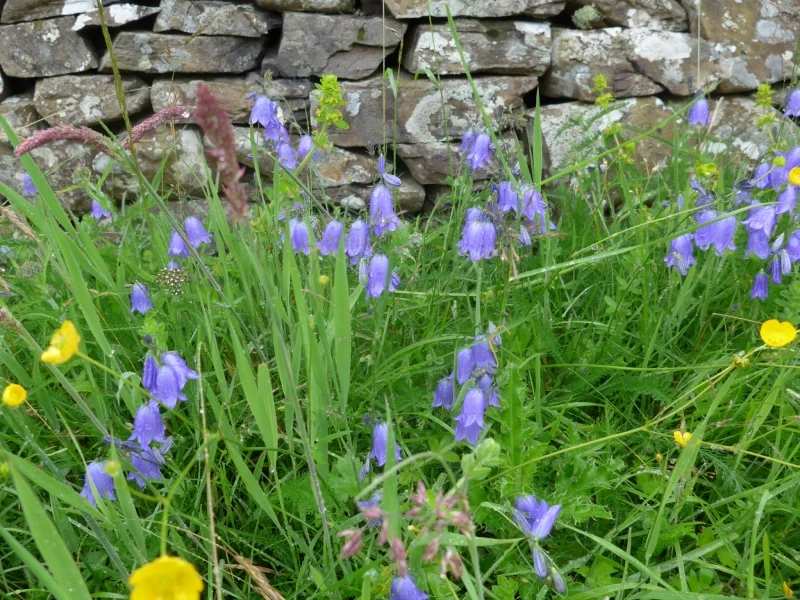
The drystone dykes which are a particular feature of the upland landscape, are a whole ecosystem in themselves, supporting many species of mosses and lichens, and providing shelter and nesting sites for small mammals and birds.






Have a Question?
If you have any questions, please don’t hesitate to get in touch – we’ll be happy to help.
